Table Of Content

Handmade items similarly honor imperfection and natural flaws as embodiments of Wabi-Sabi wisdom. Their delicacy and subtle irregularities bring personal resonance and tranquil beauty to a living space. The Japanese philosophy of Wabi-Sabi offers a unique perspective on beauty and design that celebrates authenticity, imperfection, and aging. This ancient aesthetic is transforming contemporary interior design, encouraging a mindset that finds beauty in impermanence and flaws. Wabi-sabi leads the way, highlighting imperfection, organic shapes, and a natural ambiance.
Ways to Embrace the Wabi-Sabi Home Design Trend
Wabi-Sabi is not just a design aesthetic; it’s a philosophical lens that invites us to embrace the beauty in the ‘imperfect, impermanent, and incomplete’. In the ever-evolving domain of interior design, Wabi-Sabi emerges as a breath of fresh air, urging us to pause and appreciate the unadorned elegance of our living spaces. Now, as your budding interior designer, I am brimming with excitement at the prospect of weaving the essence of Wabi-Sabi into your space. It’s more than just a design approach; it’s about creating a sanctuary that resonates with the authentic, simple, and beautiful rhythm of life.
Eight interiors that embrace the principles of wabi-sabi - Dezeen
Eight interiors that embrace the principles of wabi-sabi.
Posted: Sat, 22 Jul 2023 07:00:00 GMT [source]
Simple Ways to Introduce the Wabi-Sabi Style at Home
Use muted earth tones such as beige, taupe, and gray to create a calming atmosphere. When we consider the use of natural materials, you might think it’s only limited to wood. However, you can also ace your wabi-sabi interior design with cool stone tiles too. This Woodlands condo draws a parallel between the various types of natural materials you can use in wabi-sabi design.
Color Scheme
Set on a family cattle farm in a Western Australia coastal town on the Margaret River, Bush House marries a single-plane roof with a prefabricated steel frame support structure. A rammed-earth wall carries through the house into the outdoors, melding with oiled plywood, anodized aluminum, and salvaged furniture. Put it in the garden (it’s weather-proof) or make it your nightstand; use it as a footstool, or as an altar for worshiping the troll deity of your choice.
Weathered Elegance Spice Up Simplicity

Wabi-sabi design is a Japanese interior design philosophy that embraces both minimalism and the unique beauty of imperfection. Embrace wabi-sabi, a philosophy that celebrates nature’s beauty and imperfection, by transforming your bedroom into a serene sanctuary. Start with furniture crafted from natural materials, like a beautifully worn wooden bed frame or an antique chair, reflecting humble elegance.
Wabi-sabi has its roots in Buddhism, when tea was ceremoniously served in handmade bowls that were prized in spite of any imperfections or irregularities. If they cracked, they were often repaired with gold or silver resin to celebrate their age and utility rather than to conceal their flaws. This gentle lighting will create a warm and inviting feel within your wabi-sabi interior.
The term wabi originally held heavy connotations of grief and loneliness, specifically related to unfulfilled dreams or desires. By the sixteenth century, the mindset evolved to seeing the beauty in impermanence and accepting the changes in life. Sabi developed from meaning an appreciation for the history of the things around us as their inner life ages. Sabi can also be defined as the transition or patina of age and the beauty in it. Today, the term wabi sabi is used to signify simple beauty and a "less is more" spirit.
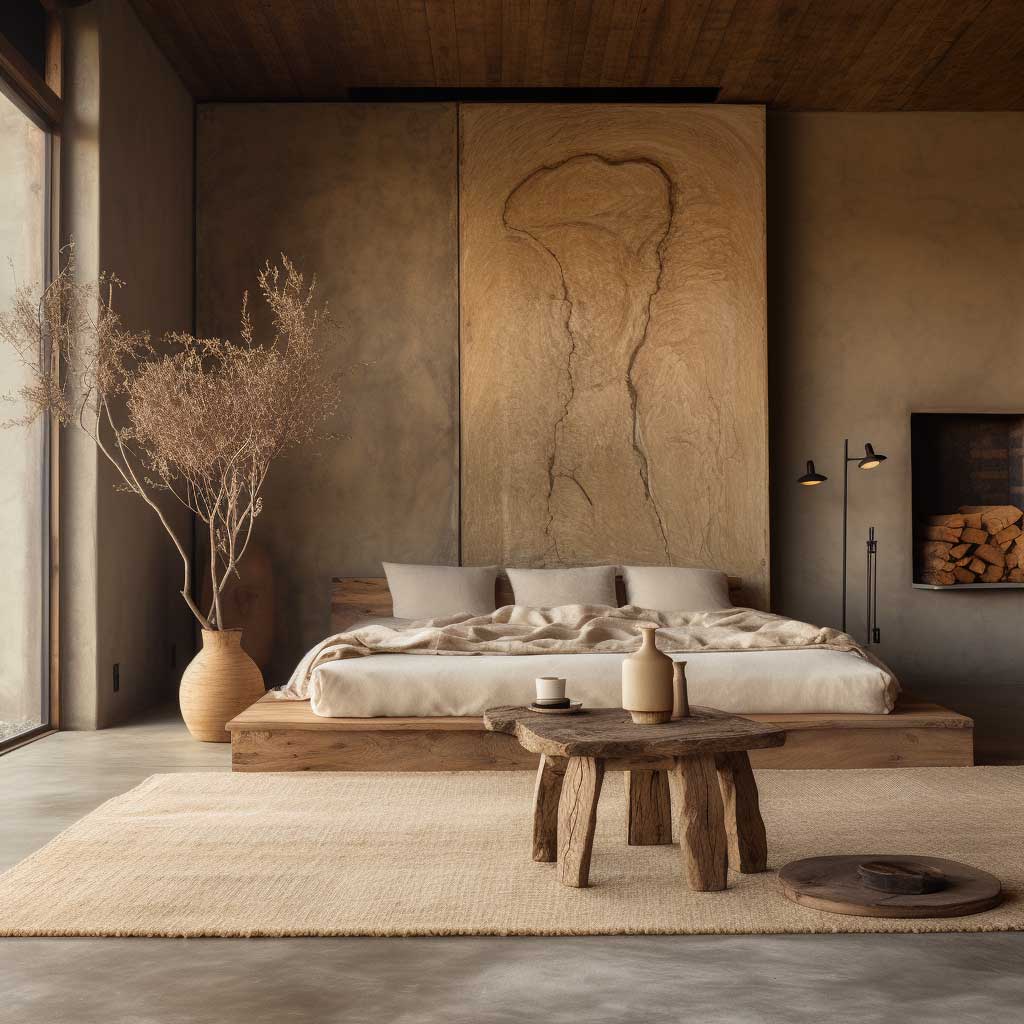
Embrace the philosophy by opting for asymmetry, minimalism, and natural touches. The furniture in a Wabi Sabi living room should have clean lines and minimal ornamentation. This approach creates a beautiful sense of simplicity and calm within the space. As for the color scheme, muted earth tones such as beige, taupe, and gray are perfect for creating a calming atmosphere.
This $1.25 million Los Angeles home aces the wabi-sabi design aesthetic
Some can even trace the origin of its story back to a 16th-century Japanese legend that involved Sen no Rikyu, the monk that played a hand in theorizing tea ceremonies. With over 11 years of experience in interior design and kitchen design, Ekta has worked on a wide range of projects from residential to commercial. She is currently leading the design team at Infinite Ideas Interiors, India.
Here, the store’s owners reside in a two-story space brought to life by Studio Junction. A courtyard spills into the living room and open kitchen and dining area, and translucent shoji-style screens provide privacy. Oak shelves, soap-treated Douglas fir floors, a custom hinoki soaking tub, and a soapstone bowl in place of the kitchen sink are all thoughtful, subtle details. In the realm of wabi-sabi, your space should be personal, inviting, and above all, a reflection of the beauty in everyday life.
Opt for rustic furniture that isn’t overly polished or pristine and incorporate décor pieces that show their age. Wabi-sabi is about finding perfection in imperfection, so a well-lived-in room is the goal. Embrace the art of imperfect beauty with these insightful tips on incorporating the Japanese aesthetic of wabi-sabi into your home interior design.
Brooklyn design firm Studio Tack decided to evoke wabi-sabi in its revival of this art-deco hotel in San Francisco. Ukrainian architect Sergey Makhno is among the key European practitioners of the contemporary wabi-sabi style.


No comments:
Post a Comment