Table Of Content

Pick rough stone countertops and handmade ceramics for plates and bowls, adding a touch of artistry to everyday life. They say the best things in life get better with age – be it wine, whiskey, or antiques. When it comes to integrating Wabi-Sabi decor inspirations, the idea is to decorate your home with items that have the tendency to get better with age, or age gracefully. When adopting the aesthetic, it is important to choose specific interior decor pieces, on the basis of how one wants to live their life. While wabi-sabi is a Japanese philosophy, it comes from traditional Chinese Zen Buddhist culture.
This Vastu-compliant Mumbai home embodies earthy wabi-sabi principles - Architectural Digest India
This Vastu-compliant Mumbai home embodies earthy wabi-sabi principles.
Posted: Wed, 22 Nov 2023 08:00:00 GMT [source]
The 10 Wabi-Sabi Interior Design Ideas
Without messing up or adding clutter to your interiors, the idea is to make your home look ‘lived in’. Wabi-sabi stems from an appreciation of nature, so it's only natural to make organic life a centerpiece of your space, inside and out. Around the interior, houseplants and artfully arranged flowers (see another Japanese term, Ikebana, for inspiration) are the perfect way to channel wabi-sabi. A prominent aspect of Wabi-Sabi interior design is its profound respect for the process of creation and the passage of time. It invites an exploration into the beauty of aging, where a crack in a vase or the fade of fabric becomes a subject of contemplation, a narrative of its journey through time. It’s an ode to authenticity, where the story of origin and the marks of time are celebrated rather than shunned.
The Beauty of Imperfection in Wabi-Sabi Interior Design
“Wabi-Sabi is all about recognizing, accepting, and embracing life’s imperfections and opting for simplicity and authenticity as a conscious choice,” says interior designer Shanty Wijaya. Wabi-sabi interior design celebrates imperfection and embraces organic, sustainable materials. It emphasizes irregular, raw textures and flawed finishes, creating a sense of warmth and approachability. This design ethos is the epitome of sustainable design and modern organic living. To create a Wabi Sabi kitchen, it is essential to use natural materials such as wood, stone, and bamboo, complemented by a calming, earth-toned color palette.
Simplicity and Minimalism
In accordance with the home’s sustainable mission, the interiors are finished with natural oiled wood and plywood, and all light fixtures were 3D-printed in PLA cornstarch-based plastic. Don’t tuck away your morning coffee supplies; instead, make them an integral part of your décor. Your morning reading materials, hobby-related items, or anything else you frequently use in the room you’re decorating can all be part of your design story. When setting out on your wabi-sabi design journey, define your décor intentionally. Remember to appreciate simplicity, savor imperfections, and blend old and new to cultivate a sense of tranquility and ultimate refinement. This AllModern sofa is a bestseller on Wayfair, where the sales are currently piping hot for our favorite non-bank—yet deeply spiritual holiday—Way Day.
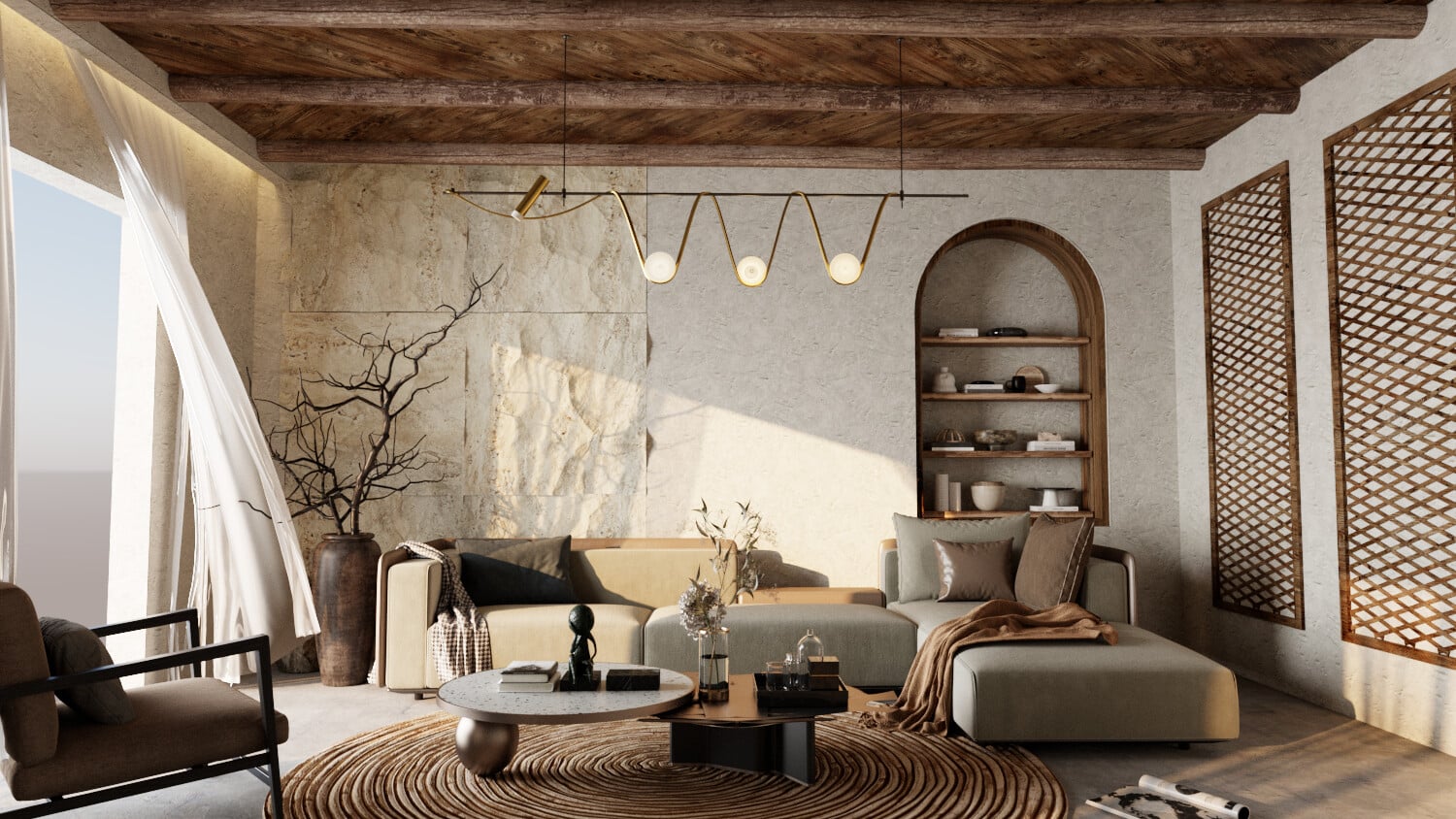
Wabi Sabi Interior Design for Your Living Space: Embrace Imperfection
The traditional Japanese tea ceremony centers around preparing matcha through choreographed steps that can take years to master. It takes place in an intimate setting that often includes a garden backdrop, using a unique variety of utensils, ceramics and other objects that the host specifically chooses for the experience. Though the tea is an important part of the small gathering (only four to five guests traditionally attend), the emphasis is on the interaction between host and guest, along with the unique utensils and objects. It’s an experience that can never be duplicated, even though the ritual may include the same steps. Try to avoid clutter by keeping only things that are functional or that you genuinely love.
Fala Atelier transforms Porto warehouse into "house of many faces"
In conclusion, Wabi Sabi is a unique design philosophy that celebrates the beauty of imperfection, simplicity, and nature. Its principles can be applied to every room in your home, creating a tranquil and harmonious living space. By embracing imperfections, reducing clutter, and focusing on natural materials and earthy tones, you can create a home that is not only visually pleasing but also profoundly meaningful. Kaiyo is dedicated to helping you embrace Wabi-Sabi’s celebration of imperfect beauty in your living space. We offer a thoughtfully curated collection of salvaged and gently worn vintage furniture to bring age, patina, and heritage into your design.
Appreciate Imperfections
It’s easy to scroll through sites like Instagram and Pinterest and deduce that aspirational interior design is all about curation and perfection. But wabi-sabi spins that idea on its head, telling us to not only welcome the flaws in our space but to honor them. These artisanal items are treasured for their intimate connection to the artisan who created them.
Article tags
Indoor trees and plants enhance the overall aesthetic and create an inviting atmosphere in your home. As is standard in Japanese design, try to ensure that every item in a room serves a distinct and notable purpose—even if it’s just to balance out the space. If it doesn’t need to be there, it will only serve to weigh the room down, which is the antithesis of what you’re trying to achieve with wabi-sabi. Inspired by a love of camping, the Bush House, by Archterra, nods to California’s Case Study Houses, built from the 1940s to the 1960s.
Incorporate Home Decor Items that Age Well
Asymmetry and irregularity as embraced in Wabi Sabi design infuse spaces with character and uniqueness, largely through the unconventional arrangement of furniture and decor items. This embrace of the irregular and the imperfect creates a charming and distinctive ambiance, a testament to the Wabi Sabi appreciation for the beauty of imperfection. Wabi-Sabi is more than just a fleeting design trend; it’s a timeless approach to living and designing with mindfulness, authenticity, and a profound appreciation for the natural world. It’s a humble bow to the wisdom of simplicity and the beauty of the unadorned.
Adding personal touches, vintage items, and natural elements will help you achieve wabi-sabi in your own home. The home’s only bathroom is wabi-sabi to a tee with a vintage clawfoot tub that’s unfinished on the outside and aged brass plumbing fixtures that have begun to patina. The plywood cabinets are repeated in this space with circular holes in lieu of traditional hardware and a tile accent wall adds subtle pattern. The furniture — a mix of mid-century vintage and neutral, contemporary pieces — is perfectly staged, showcasing the airy and open floorplan while making it feel cabin-cozy. With an on-trend charcoal gray exterior and a tiered, weathered wood deck, it’s a delightful mashup of old and new.
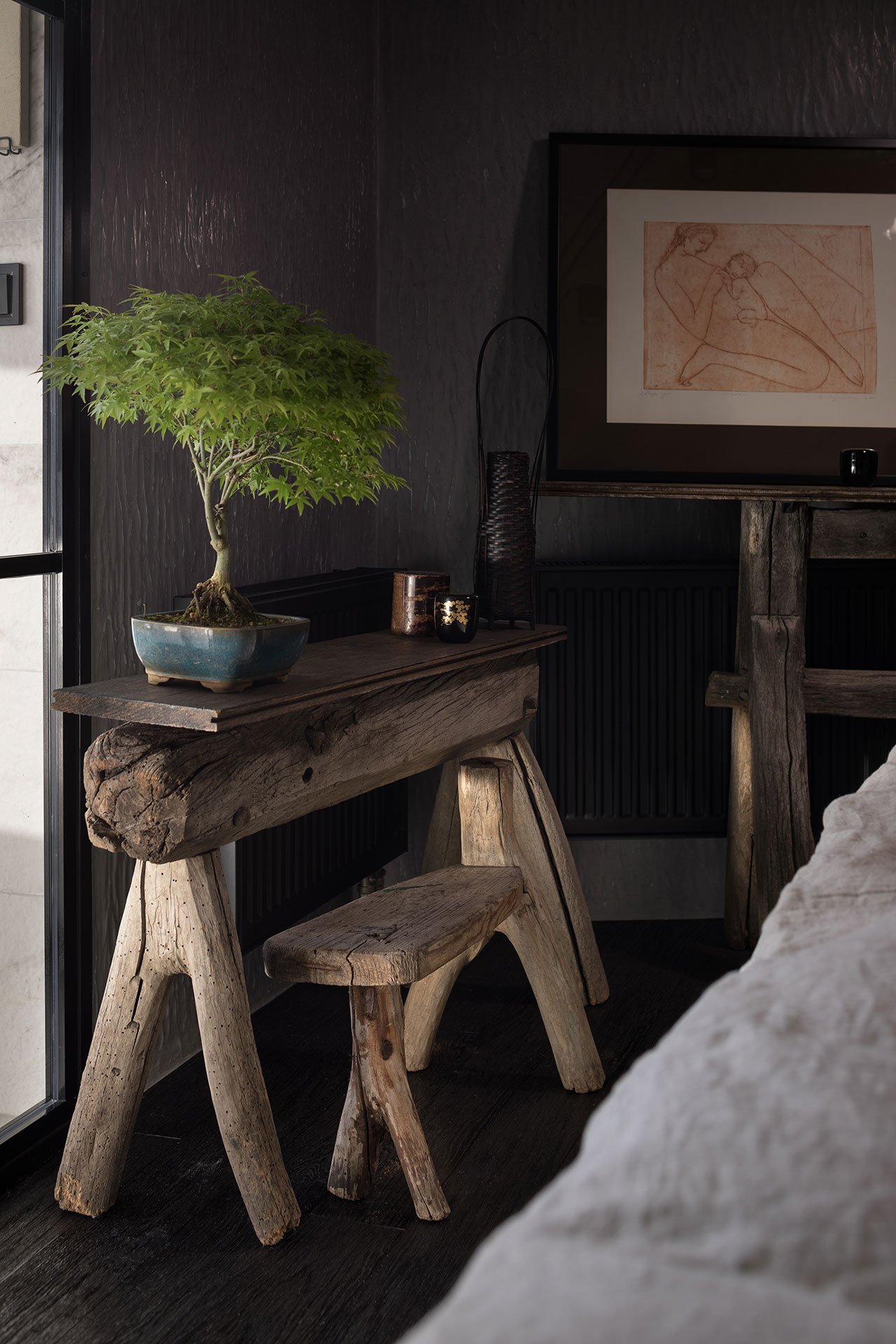
Incorporating these shades into your home decor, especially in your bedroom, can reflect the feelings of intimacy and calmness that nature brings. Before heading to your local big-box store to buy something new, see if you can repurpose items that you already own, suggests Mike Harrison, an interior designer and HomeGoods style expert. For example, a chipped mug that has too much significance to throw away can enjoy a second life as a pencil holder on your desk. With a brush in one hand and a can of paint in the other, you can easily update how a piece of furniture looks—and the satisfaction you'll feel after you DIY will make the item even more meaningful. Keep your color palette muted and earthy, focusing on shades like sandy brown, gray, burnt orange, and saturated green.
What does a design aesthetic that emphasizes and prioritizes self-care look like? Each of these artforms is a dialogue between the artist and the impermanent nature of existence, a humble bow to the continuous flux of life. The secondary bedroom, which is currently being used as a nursery, has high ceilings and receives plenty of natural light.
Remember, the essence of wabi-sabi is finding beauty in imperfection and embracing the natural cycle of growth and decay. Don’t worry about creating a flawless picture, but instead, celebrate the uniqueness and authenticity of every object. By embracing imperfections, you imbibe the true essence of wabi-sabi into your interior design. The Japanese art of Kintsugi, repairing broken pottery using lacquer dusted with gold, is a quintessential example. Its gold seam lines, which highlight the fractures instead of disguising them, add new layers of history and beauty.
This is the latest in our lookbooks series, which provides visual inspiration from Dezeen's archive. For more inspiration see previous lookbooks featuring Japandi living rooms, bedrooms with earthy colour palettes and calming organic-modern interiors. Scale is usually a secondary consideration when it comes to design styles, but wabi-sabi does seem to be most at home with low-profile, slight furniture pieces that complement an "East meets West" mentality.


No comments:
Post a Comment